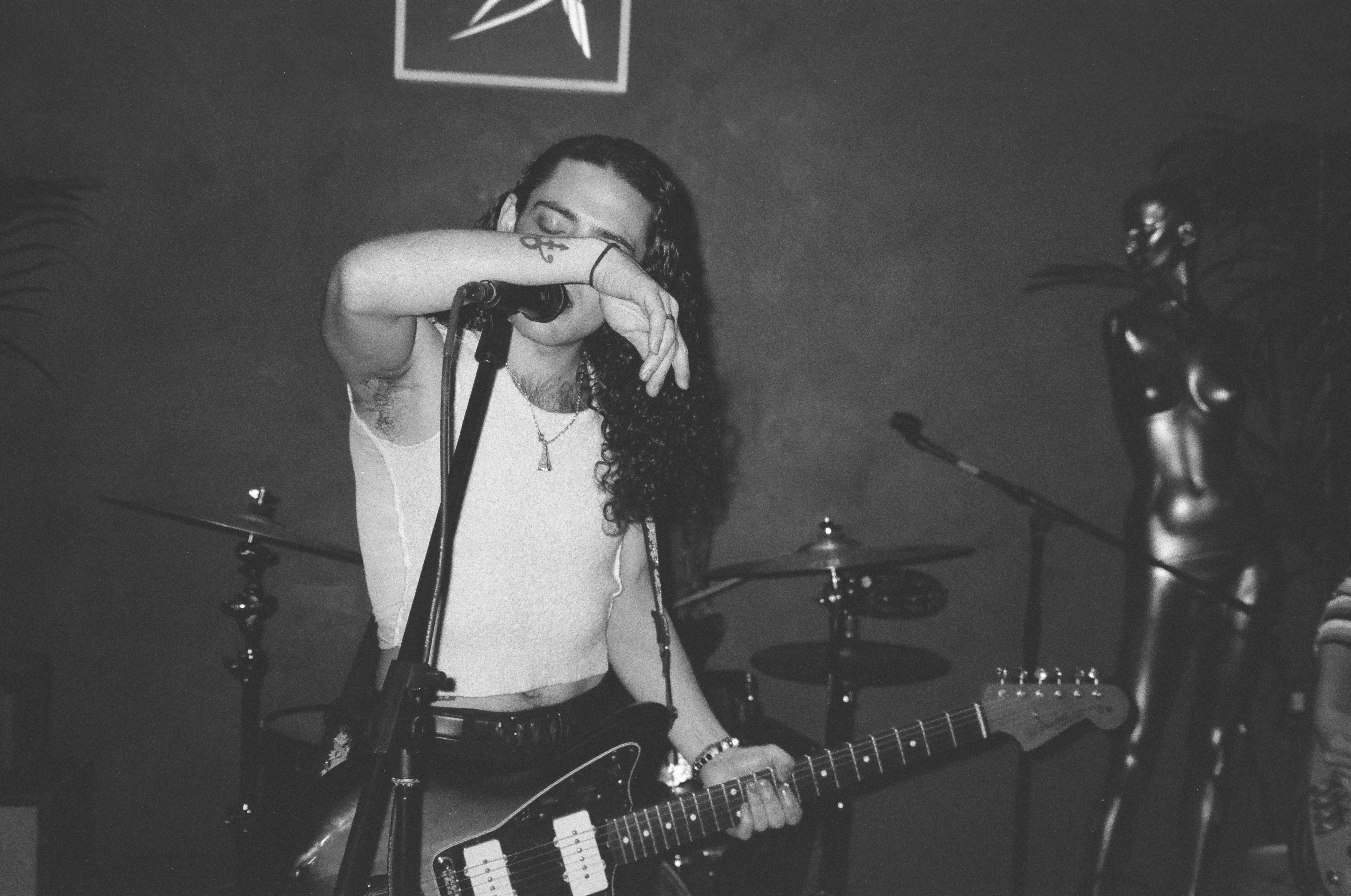
IN CONVERSATION WITH TOM O'DONNELL
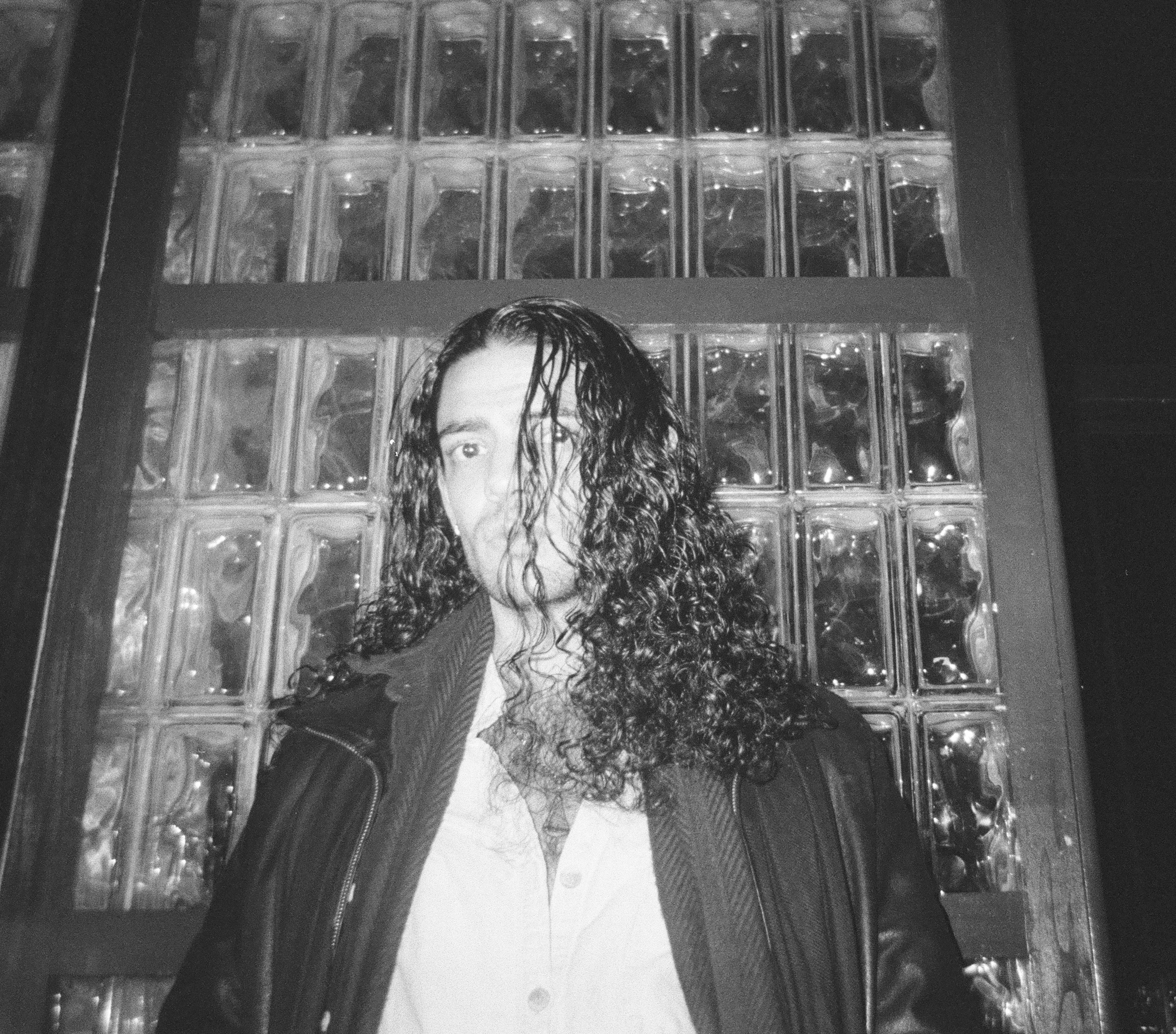
IN CONVERSATION WITH TOM O'DONNELL
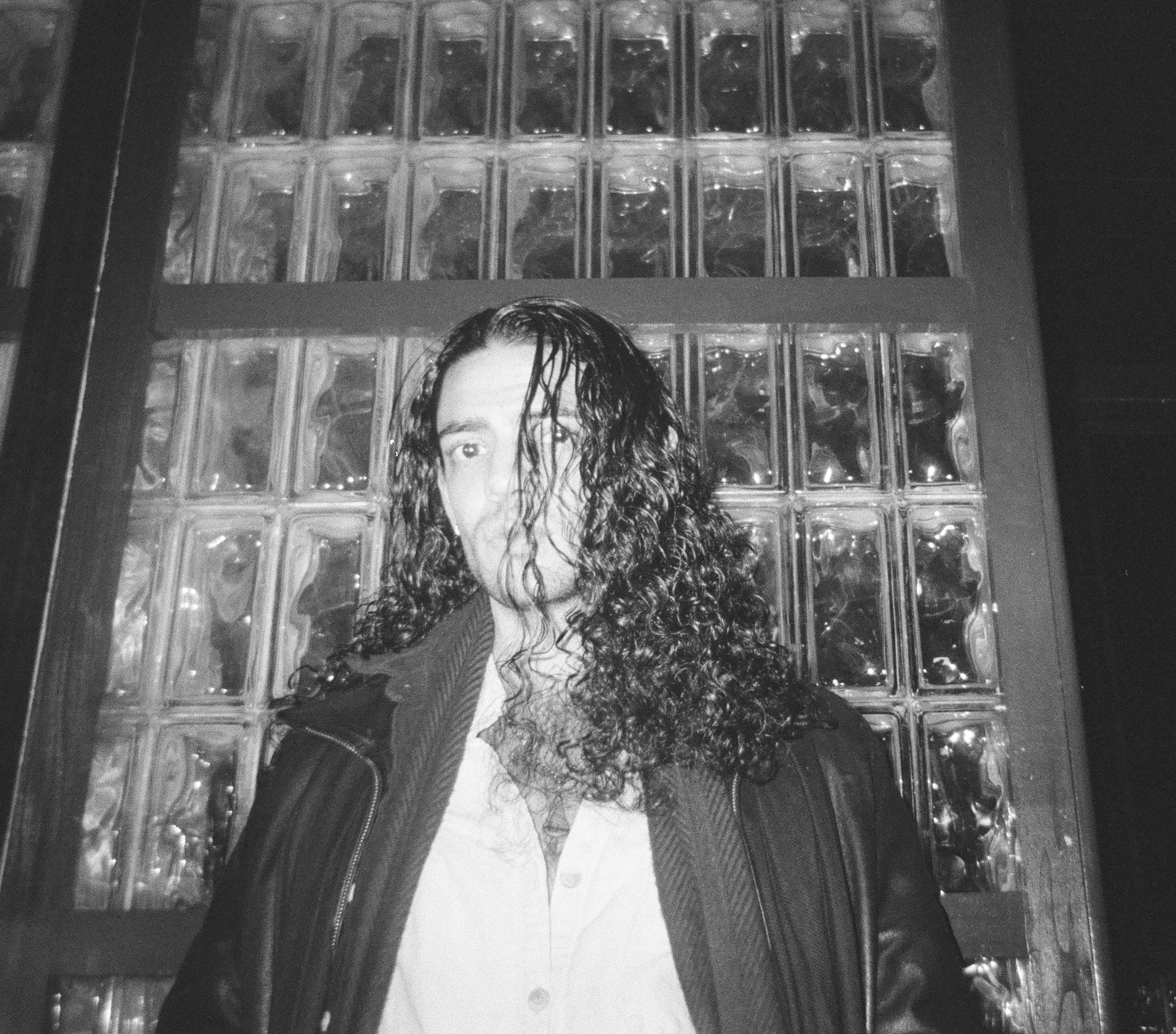
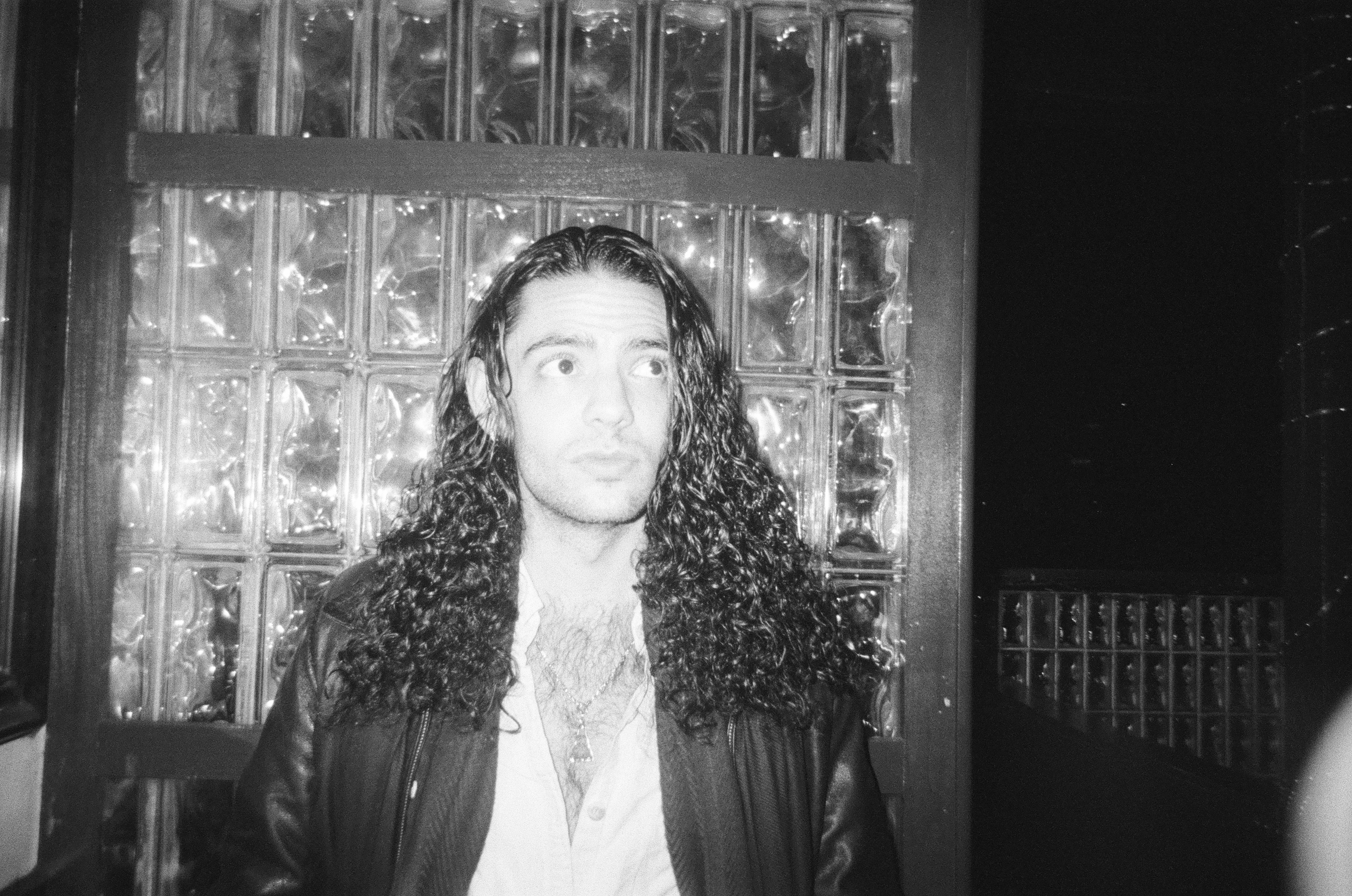
Interview and photography by Benji Wason
After finishing our interview, Tom O’Donnell proceeds to do what he always does when we hang out - he shows me a new demo. As the jarring drum rhythm starts to pump through a blown out bluetooth speaker, he nods his head to the beat. “It was one of the first ones in forever where I’m like ‘I’m the guitar player in a band, and I just wrote a sick riff.’”
As he describes in infectious detail how the idea emerged at a rehearsal jam with his band Same Vein, I point out that it’s no wonder he’s always coming up with ideas — while most guitarists have to consciously try to practice and develop their musicality, he constantly has to learn new material from whoever recruited him for a gig that weekend, his sets with both Laveda and Knotted on New Year’s Eve being a recent example. “I’ve been very lucky in that respect,” he says, “I’ve almost always had to learn some shit because I had a deadline in five days and that was it.”
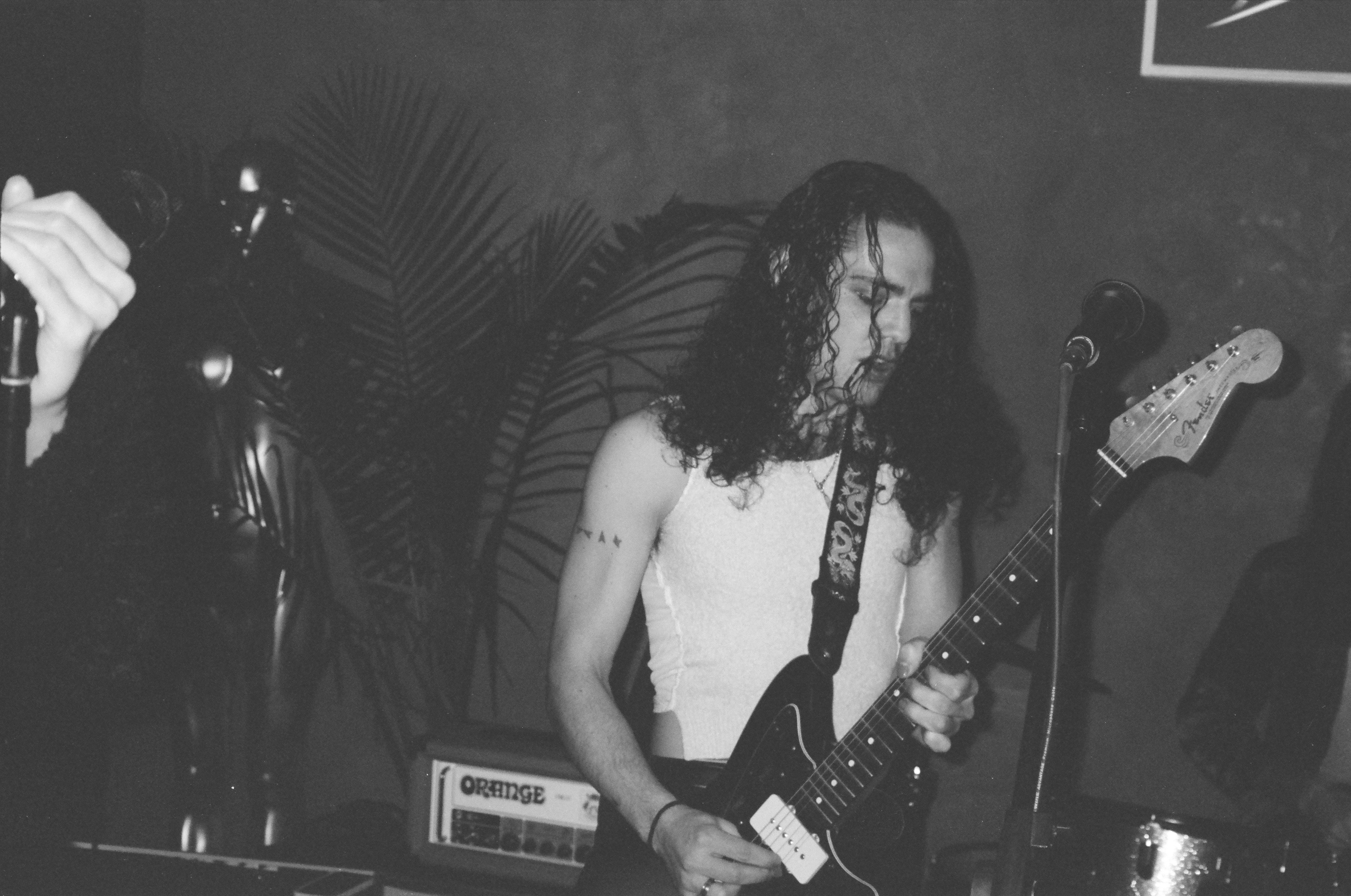
Since arriving in New York in early 2021 O’Donnell has had plenty of dates and deadlines to fill his calendar — from finishing the mixes for Same Vein’s Old Small World in one month, to gigs with The Down & Outs, tours with Couch Prints, and being phoned in as the emergency drummer for Monobloc one week before their Gov Ball debut.
But these are in a way incidental to his musical path, because between all the gigs and studio sessions, O’Donnell is never not working on, playing, or talking about music. And it’s this devotion and authentic commitment to craft that has made him a sought after collaborator, player, and producer, as well as a close friend of many in the local scene, myself included.
For Struck Me Like A Chord’s latest feature, I talk to Tom about cutting his teeth at Boston jam sessions, stumbling into opportunities in New York City bars, and doing everything in service of the song with his new project Same Vein. Read the full interview below.
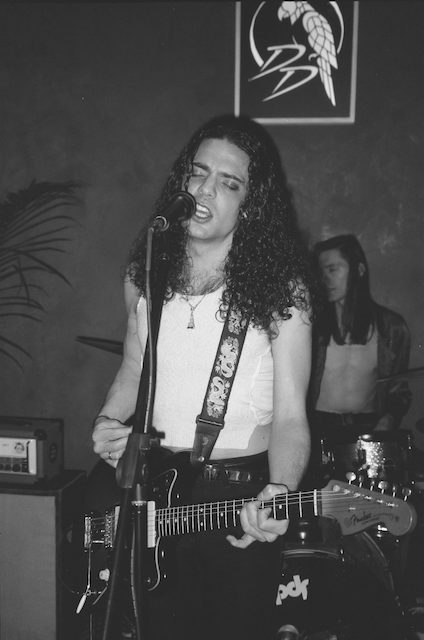
I want to start with your current, most recent focus, which is Same Vein. Could you tell me basically how that came about, how you met B and where that all started?
So I met B at Mona's on 13th and B. They had jazz nights on Tuesdays, and she kind of picked me out of the crowd — I think her line was, “I have a tab open and there's a minimum, can I buy you a drink so I can close out?”
We had a drink and shot the shit for a little while, and then she was like, “Oh, hold on, I have to go sit in now,” and I wasn’t sure what she meant, but then she just got on stage and did “Dream a Little Dream of Me”, looking at me the whole time. It was piercing, incredible.
We chatted a bit about maybe making music down the line, but then I ran into her again the next day on the L train at the 14th and 1st stop, because we had both left our cards open at Mona's the night before. It was just like “Ok, this needs to happen.”
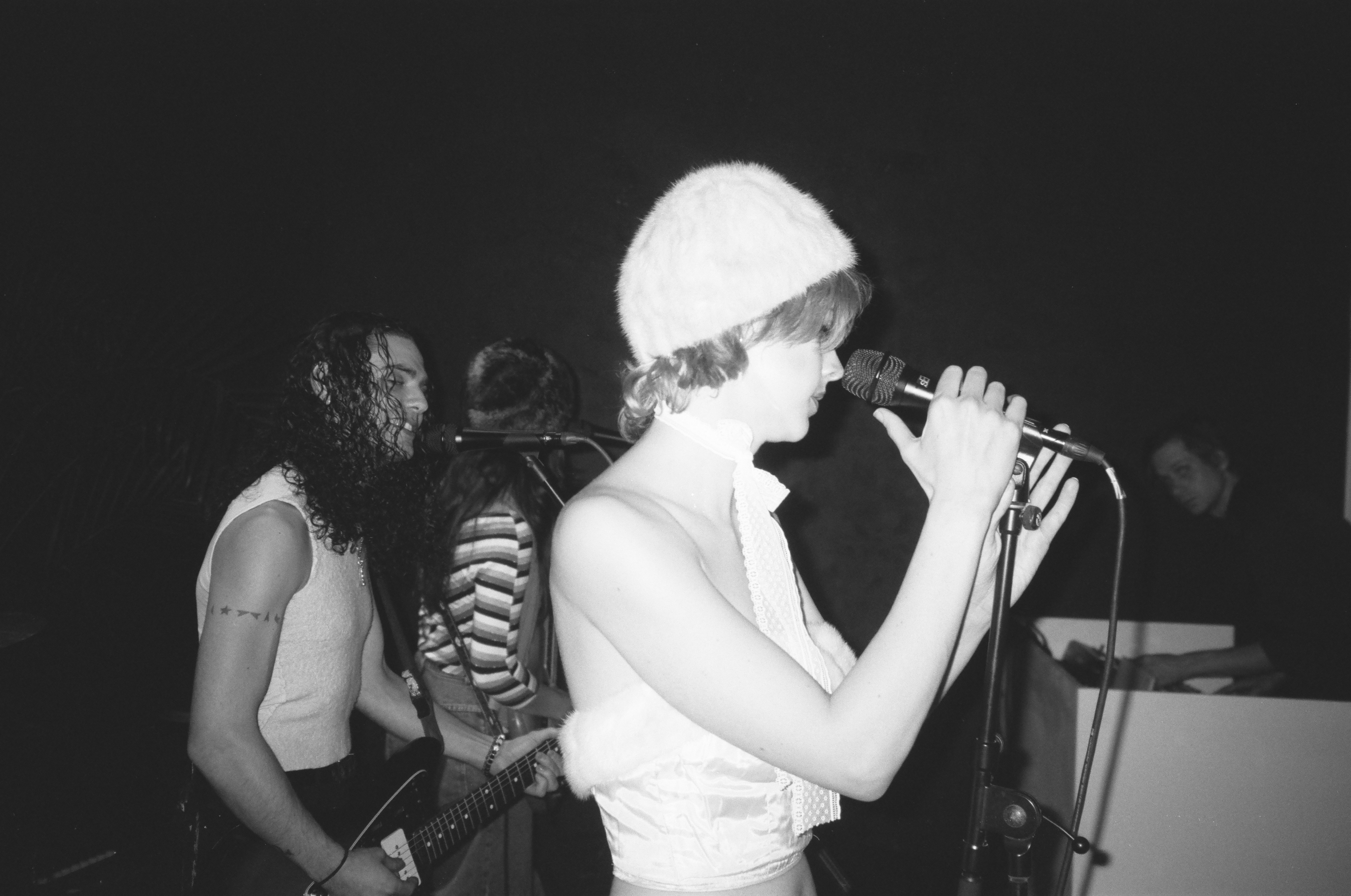
When we started playing together we had a residency in the East Village where we were doing jazz standards and some originals that didn't fit any of my other projects. And pretty quickly, she was writing some incredible stuff just off of little ideas that we'd be improvising. So that came together pretty naturally over the course of six months.
Was the sound of Same Vein something that you had an idea of before it even came together, or do you feel like it mostly emerged from the chemistry of the group?
When me and B started working together, I think I had ideas that I didn't know if I could deliver right, and I was just really excited to see what she would do with them. And I had a bit of a stylistic tilt towards exploring gothy, jazzy stuff that we had in common anyway.
When Esme (Rummelhart, violin) joined it certainly brought out a little more of the country and noir-y, cinematic elements. But I mean, we had half a record written by the time we even considered what the band would be. I think pretty immediately my vision of what it would be got pushed in the background, because we were just coming up with shit at such an incredible clip.
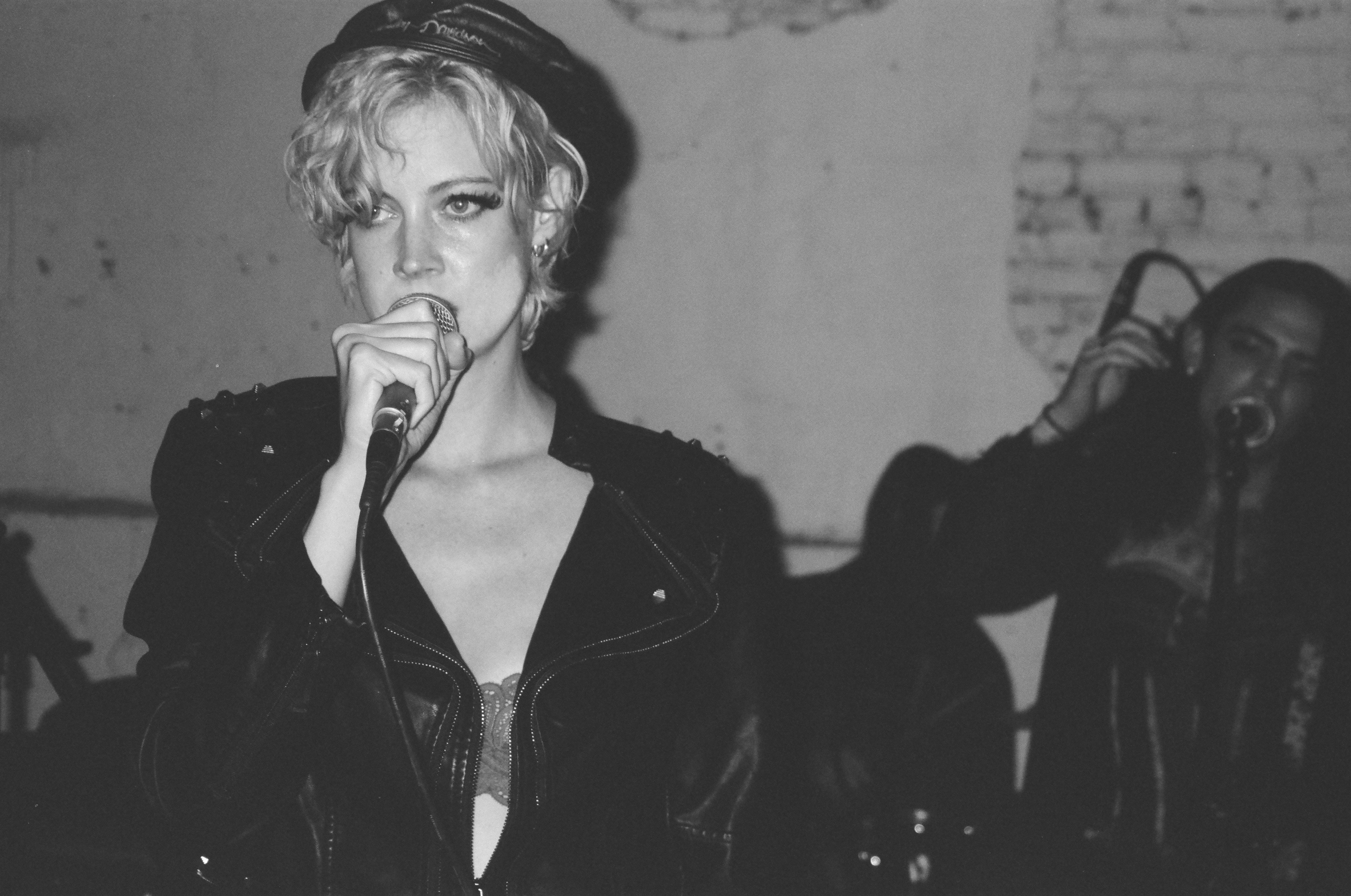
We didn't really have to spend a lot of time thinking about cohesion or stylistic representation in any particular way. It was just cooking, constantly. And then it got to a point where it was like, well, these were all recorded the same way. These were all done in the apartment. These were all done on this microphone, within a two month period of each other. And those were really just the ones that got finished in like a night.
Almost everything else — if it took more than three days, it got stuck in a folder somewhere. But those four songs were pretty much done the night that we recorded them. You'd wake up the next morning and go, “We can send it to mastering, like now.”
It was also very collaborative. We were really lucky to have a lot of cool people in the room while shit was getting written, and some of the most important parts on the record are not played by anybody who's “in the band.” So a lot of the sound of the EP was just dictated by who happened to be in the house at the time.
Taking a step back, how did you get into music? What was the first instrument you learned, or the artists that really turned you on?
I started playing guitar kind of casually, before I really knew what I liked. But I think when I moved back to the east coast at 11 years old, I very quickly just felt like everything that I had listened to when I was a kid living in California for a couple of years was just bad. I was just like, “Alright, so blink 182 sucks.” Then I got into a lot of the old pre-punk stuff, The Stooges and The Velvet Underground and that sort of thing. And that just broke the doors down.
I found a bootleg of the Don Lets documentary Punk Attitude. It's in chronological order, and I remember watching it in pieces because it was on Vimeo or something. And literally overnight I went from being like, “I don't really know what I like,” to being like, “The New York Dolls and The Stooges and The Velvet Underground are the coolest thing ever, and I'm in love with this.”
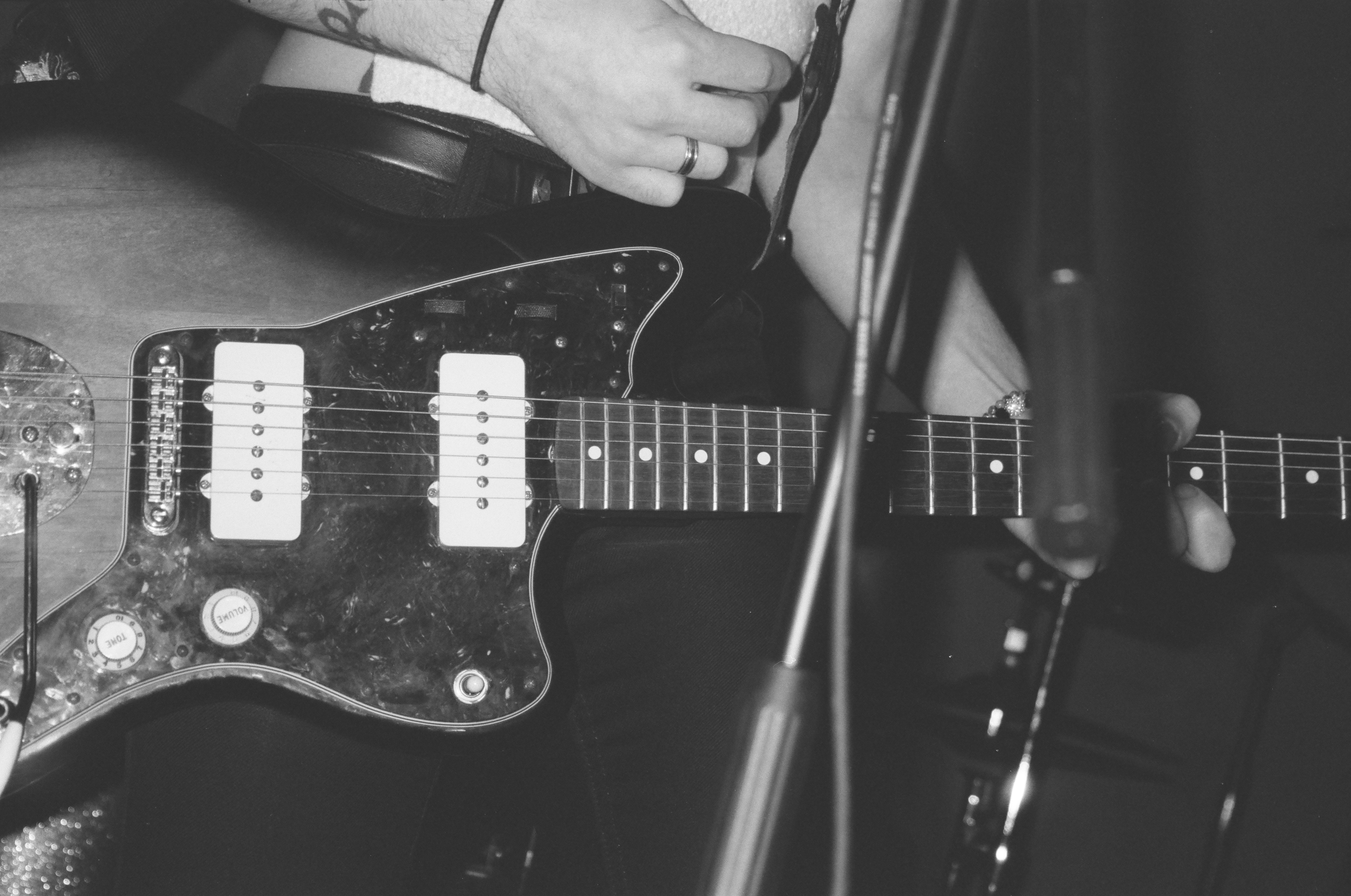
Years later, I eventually found out that a lot of the stuff that I listened to as a kid was really fucking dope. My old man was just playing like Motown and Little Richard and stuff like that around the house a lot. It wasn't until I did the punk circle, and then went back to some of the older stuff that it was drawing from, that I kind of realized that I knew all these songs already.
Was there a band that you were in early on?
In high school I did a lot of recording at my old man and stepmother's place. They were pretty cool with me just being loud, which I was really grateful for. And my old man's a musician, so there was a little bit of gear around the house to toy around with.
I spent some years learning how to use GarageBand and shitty Tascam tape machines and stuff. And then tried to put a band together in high school, which was whatever buddy you could, you know…
Bribe.
Exactly. “I'll bring the weed if you can play bass.” And some of the cats that I ended up playing with after some time were really brilliant players, and I got to be like the young guitar player and cut my teeth doing that sort of thing. But nothing lasted very long.
My buddy Gil, who was in a band called Arty $lang, hosted a music night in Lowell called Music Mondays. It was upstairs from the club that everybody played and was like the only all ages venue in town. So before I was 21 everybody was playing there.
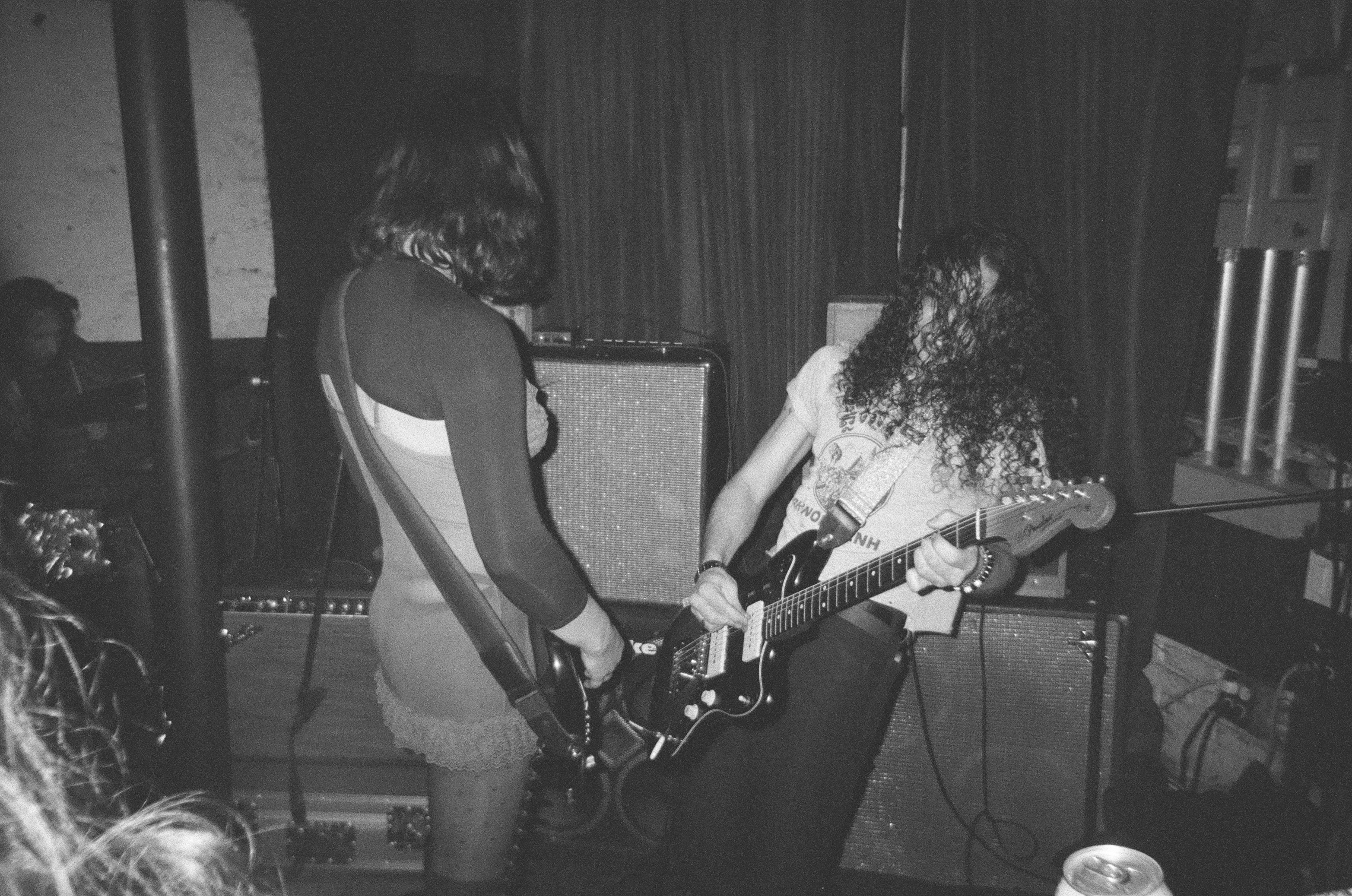
Music Mondays was weird because it was like pro jazz guys and funk guys and, you know, old heads — and then, like, dumb ass, acid fried fucking, can-barely-play-their-instrument musicians. Like 12 people playing at the same time. It was ridiculous. And the jam wouldn't end, the drummer would just get tired and hand the sticks to somebody else. So I kind of learned how to play drums and keyboards doing that, because I was a decent guitar player, and I knew I could fill in all these other blanks. If there's eight fucking guitar players I don't need to be sitting in, you know? It was cool also to be exposed to that sort of stuff where you're playing with people who are way out of your league, but are also glad to be shooting the shit with you. That was definitely formative.
And then from there I was in bands, touring pretty young. I didn't go to college or anything like that, so that was kind of my whole life, pretty much immediately out of high school. Which has never really stopped, and eventually I landed here.
You’re constantly collaborating with different musicians and working on a lot of projects. What was your story as far as making it down to New York and constellating all of that after you got here?
I lucked out and stumbled into a lot of shit, just right time, right place I guess. My band in Boston, and the label that I was running when covid hit — everything just collapsed. Our tours fell to pieces, the album rollout died in the water, the label collapsed, all those bands broke up, we ran out of money. Just everything fucking collapsed.
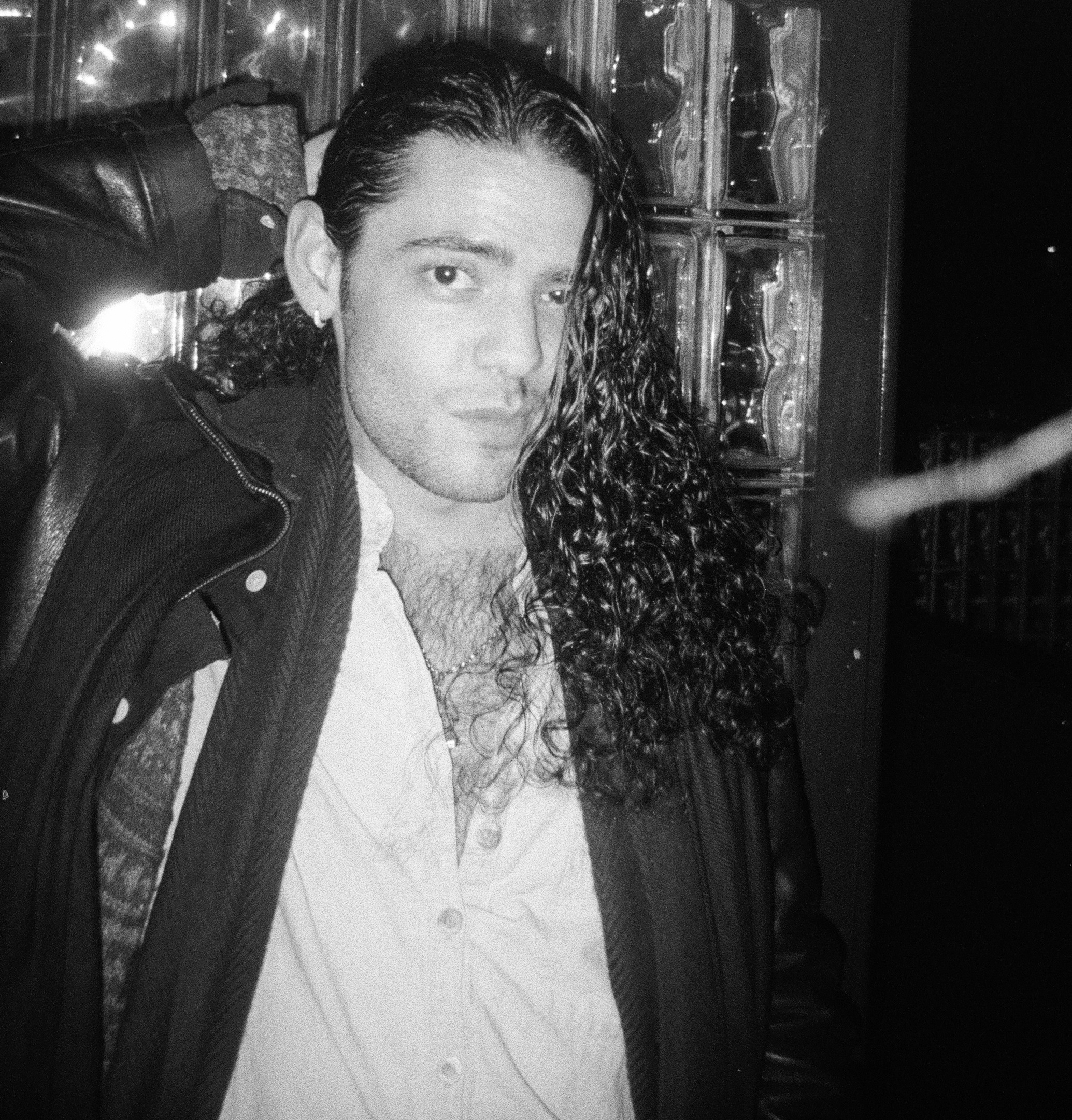
And so I moved to New York. I knew some rappers that we had played with in New York that I had done a little bit of production stuff with. So I kind of thought that my focus when I got down here might be doing more production work.
Then I stumbled into Ray (Young, of The Down & Outs) at the Johnsons and the Been Stellar guys one night. I ended up filling in on drums with you guys, and meeting Brandon (Tong, of Couch Prints) through Rubulad. I met a lot of people through you guys, doing the work on Deuén’s record, filling in with Monobloc, eventually meeting Jimi Lucid — all of those things stemmed from just like, stumbling into people at bars.
Ray was a big dot connector for me, he seemed to really enjoy shoving me into a room and just being like, “They'll love you!” Next thing you knew, I just had gigs everywhere filling in for all kinds of people, and a lot of them ended up being really close friends.
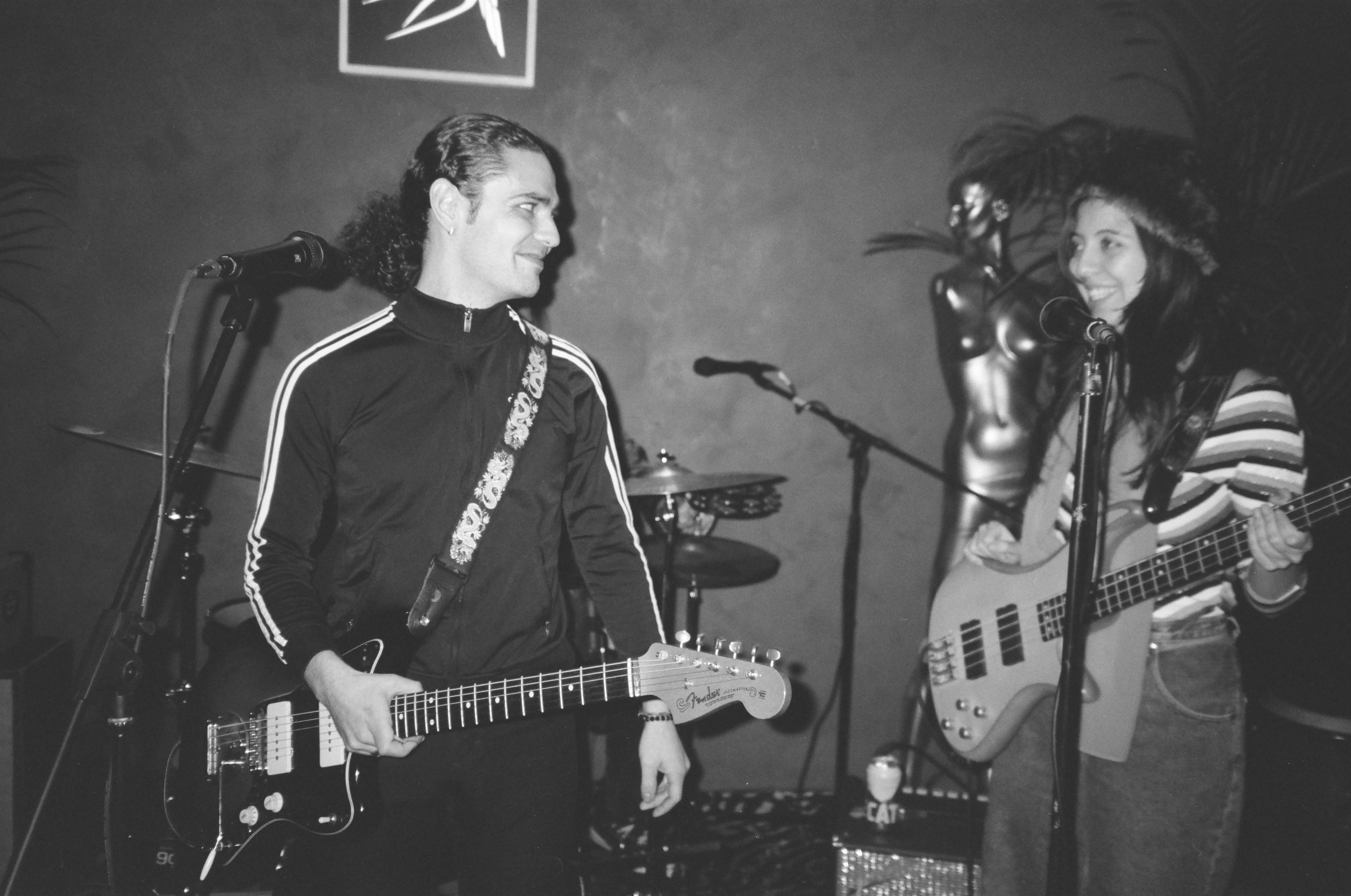
After working with The Down & Outs and the initial couple tours with Couch Prints, and a lot of the session work here and there, I tried the Temprec thing, which lasted three months or something.
One of my favorite bands of all time.
The issue was, everybody in the band was in a band, you know? It just wasn't sustainable. And there was, like, a weird, maybe dead period month where we kind of killed that project, and I really just didn't know what was going to happen next. I met B in that same period that I had this back catalog of songs, and I didn't really have a band. The timing just landed pretty well where I kind of had a focus again.
What has come out this year that you were a part of? It doesn't have to be every single thing but what were a couple highlights?
Well, ”TRUST ME” just came out and I have to say, it's been one of my favorite songs that we've had — I always just thought it was the best chorus that Ray ever wrote.
It's also, of that EP, I thought that was my best production work. I thought that was the one that was most simultaneously true to the demo, but also the studio shit was like, “Oh, thank God we did this studio session.” That one, I'm really genuinely proud of. I’m so fucking glad that it’s finally seeing the light of day.
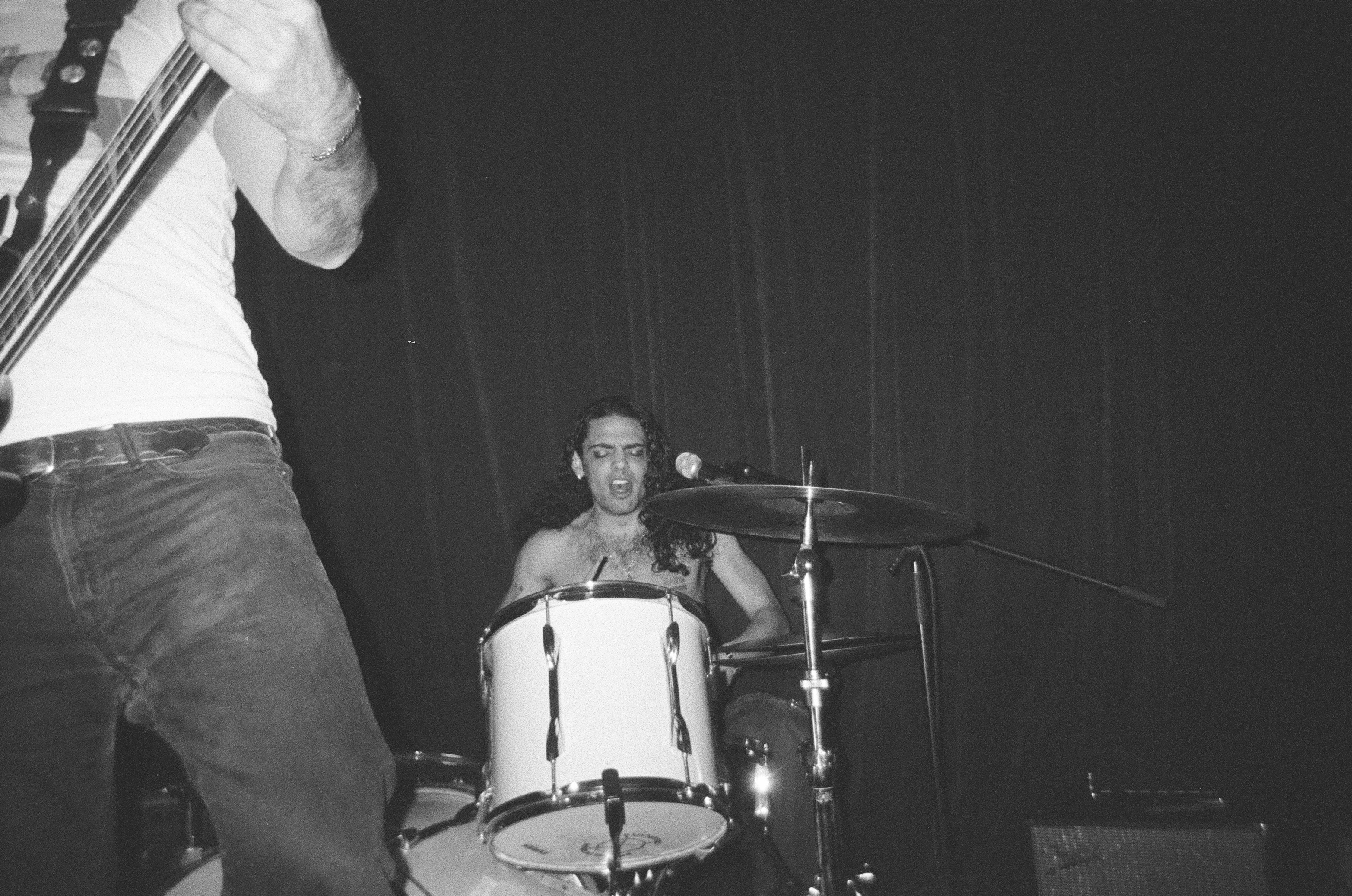
There’s also the Couch Prints album. That record went through so many variations — there were like 12 versions of that record where none of the songs sound even remotely similar to what they eventually sounded like. It wasn't until it was actually released, that I listened to it on headphones on the train and heard it start to finish effectively when everybody else did. I love the closer on that record, “Laughter.” That one I'm also very proud of.
Are there a few pieces of gear that you find indispensable?
I mean, there's some dumb, obvious ones that I just swear by. I think the Big Muff is the greatest guitar pedal ever invented. If there was ever a thing that was designed to do a task, that did the fucking task…it's a perfect pedal.
Then there’s the line six delay. I've never used it on my pedal board, but I've used it for production stuff and used it for outboard synthesizer effects. That thing is phenomenal, great for overdubbing.
The Kaos Pad too is great for just getting off the grid, when you need to stop thinking rationally, you know? They call it chaos pad for a reason, I guess. It's very much like, throw it into a blender and just see what comes out.
Also this probably should be on record, because it’s actually quite important: the Electro-Voice RE20. Almost everything on the EP is recorded on that mic — all the violins, all the vocals, all the guitars. That microphone is the whole record. And I think the reason that the record sounds the way that it sounds is because that thing is just capturing the room. That thing has been essential.
Last question: how do you want your musicianship to evolve in the future?
I think nowadays I'm more concerned with the song. Everything now is in service to that. I used to be, as a producer, maybe more concerned with ear-candy and referential sound design-y sort of stuff. And as a guitar player, maybe I was in my head about trying to incorporate stuff that wasn't, you know, the obvious rock influence.
Part of the benefit of working with so many different people has been recognizing what everybody else in the room's strengths are and trying to make sure that those things get heard. The most fun part about doing the Same Vein stuff is not what I might even bring to it. I'm just facilitating other people's best ideas and getting the best take out of them.
I want to be on point and all that, but I'm not very concerned with becoming a better guitar player right now. I've got better guitar players in my apartment every day who can do shit that I wouldn't dream of doing. My job nowadays is to make sure that the fucking mic is rolling when they start doing that.